


Buying a Home in Pacific Beach or Mission Bay From Out of Town: A Local's Guide for Relocating Buyers
If you've never set foot in Pacific Beach or the Mission Bay area and you're thinking about buying a home here anyway, you are not the outlier you might think you are. I've lived in PB since 2004, and lately the people reaching out to me with the most specific questions, asking about a particular block instead of "what's PB like." I've fielded calls from all over, including the Bay Area, Seattle, and even Philadelphia.
That is not a coincidence. I publish street-by-street guides to PB's different pockets for just this reason. People planning a move here are doing the same homework anyone does before a big purchase: they are reading everything they can find about the actual streets and sections, not just the neighborhood name or general overview. This guide is built for that person, whether you're driving down from the Bay Area or shipping your whole life across the country from the East Coast. It combines the local, block-level knowledge from my other PB guides with what actually changes about buying a home here when you cannot just drive over and look at it yourself.
Relocating to Pacific Beach or Mission Bay?
I've helped buyers close on a coastal San Diego home without ever setting foot in California until closing week. Let's talk about your move.
Call or Text (858) 252-0200 Request a Relocation Consultation
Why out-of-town buyers keep landing on Pacific Beach specifically
San Diego has a dozen coastal neighborhoods, and PB is not the most expensive or the most flashy. It is walkable, it has its own laid-back character, and it has an actual year-round population instead of a mostly-empty second-home feel. What people relocating here are actually trying to figure out is which few blocks will feel like home, and that question does not have one answer, because PB is not one neighborhood. It is several, and they feel genuinely different from each other.
Which pocket of PB fits your move
I've written full guides to several of PB's distinct pockets, and if you are relocating from somewhere else entirely, reading the right one for your situation will save you a lot of wasted house-hunting trips. Here is the short version of who tends to land where.
If you want to walk to the beach and everything else: the core walkable streets, the "Flats" of PB, some of which I covered in The Gems of Pacific Beach, are the closest thing PB has to a classic beach-town feel. Streets like Diamond, Chalcedony, and Law run through the heart of this area, particularly west of Ingraham St., and put you close to the sand and local businesses without living directly on the boardwalk, which comes with its own noise and short-term-rental traffic. This is the pocket for people moving here specifically to live a walkable, beach-adjacent life.
If you want quiet, residential streets and more separation from PB's busier core: read my guide to Kate Sessions & Los Altos Loop. This is North PB, up near Kate Sessions Park and the Los Altos streets, and it feels more like a settled residential neighborhood than a beach town. If you are relocating with a family and school-year timing is part of your decision, this is usually the pocket worth touring first, sight unseen or not.
If you want toes in the sand without the boardwalk crowds: Crown Point sits on the peninsula between Sail Bay and Fiesta Bay, and it is a genuinely different lifestyle from oceanfront PB. Paddleboards and small boats instead of surfboards, calmer water, and a quieter pace, though Crown Point itself splits into a waterfront edge, the busier Ingraham Street corridor, and quieter interior streets that all feel different from each other. Worth reading the full breakdown before assuming even "Crown Point" means one thing.
If you want blue-water views and don't mind driving a bit: Pacifica, up on Soledad Mountain Road, trades beach proximity for ocean, bay, and downtown views along with one of San Diego's better pockets of mid-century modern homes. This is the pocket I point relocating buyers toward when they tell me the beach itself is not actually the priority, the setting is.
None of these guides can replace walking the actual block, but they get you from "I don't know anything about Pacific Beach" to "I know which two pockets I want to see in person" before you ever book a flight, which is the whole point when you are coordinating a move from somewhere else.
Touring a Mission Bay Area home before you move here
Most out-of-town buyers I work with do not skip seeing the home in person, they just compress it into fewer trips. The usual pattern looks like this: we narrow the search down to a specific neighborhood and/or pocket, and a short list of homes using video walkthroughs, detailed photos, and a live video call where I walk the property with my phone and answer questions in real time, and then you fly out for one focused trip to see the finalists and make a decision. That one trip works a lot better when it starts with a shortlist instead of a blank slate, which is the whole reason the pocket guides above exist. I often work with people who are dead set on PB, but then fall in love with Bay Ho, Bay Park, or University City, based on our conversations. The point is to get you to the spot that is right for you.
If you are relocating for work and cannot get away at all before closing, it is possible to buy a home without ever seeing it in person before the keys change hands, but I would not recommend it as a first choice. I have done it for clients in specific situations, and it works when you have trust and the right background. However, it's not something to default into just because flights are expensive.
What's actually different about buying from out of town
The mortgage process itself does not change much whether you're moving from the Bay Area or the East Coast. Your lender cares about income, credit, assets, and debt-to-income ratio the same way regardless of your mailing address. If your income is a little unusual for underwriting purposes, freshly remote, a new job as part of the move, or self-employed, loop your lender in early rather than waiting for the underwriting deadline to surface it.
Closing looks a little different depending on where you're coming from. If you're relocating from elsewhere in California, like the Bay Area, it works about the same as it would for a local buyer. If you're coming from further out, Seattle or Philadelphia, there's typically one extra step involved in how you sign the final documents, but it's a solvable problem, usually just a mobile notary rather than a flight home. I walk every relocating client through exactly what applies to their move once we're under contract, so it's not something you need to research on your own.
Timing your move around the transaction
The two timelines that most often collide for relocating buyers are a lease ending somewhere else and a school year in progress. If you have any flexibility, closing a few weeks before you actually need to be in the house gives you breathing room for the inevitable small delays, movers running late, a punch-list item, without forcing a same-day turnaround between your old lease and your new closing. If you're moving with kids mid-school-year, it's worth factoring enrollment timing into which pocket you choose as much as which house, since school assignment can vary by just a few blocks in parts of PB.
Quick answers
Can I buy a house in Pacific Beach without visiting in person first?
Yes, though most buyers I work with do at least one trip to see finalists before closing. Buying fully sight-unseen is possible and I've done it for clients with genuine travel constraints, but it isn't the default recommendation.
Do I have to be in California to close on a home there?
No. Whether you're moving from elsewhere in California or from out of state, there are established ways to sign closing documents from wherever you are, usually a mobile notary. I'll walk you through what applies to your specific move once you're under contract.
Is remote online notarization legal in California?
California has a law on the books (SB 696) that will eventually make this simpler, but it isn't in effect yet as of this writing. It doesn't hold up a closing in the meantime, there are other established paths, just something worth knowing if you come across the topic while researching.
Which part of Pacific Beach is best for someone relocating from out of town?
It depends on what you're prioritizing. Walkability points toward the core streets covered in the Gems of Pacific Beach guide, families often lean toward Kate Sessions and Los Altos Loop, a bay lifestyle points to Crown Point, and views and privacy point toward Pacifica.
How can I get to know Pacific Beach before I move here?
Start with the street-by-street neighborhood guides linked above, then plan a single focused trip once you've narrowed things down to a pocket or two, rather than trying to see the whole neighborhood in one visit.
If you're relocating to Pacific Beach from out of town, whether that's a short drive down the coast or a move across the country, I'd rather spend an hour on the phone with you before you book a flight than have you burn a trip figuring out things a conversation could cover. See what's currently for sale in Pacific Beach, or reach out directly and tell me where you're moving from.
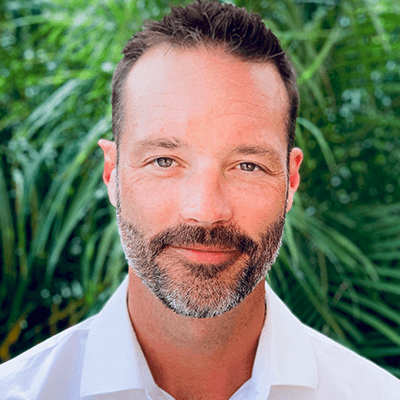
John Collins
DRE# 01948188
888 Prospect St. Suite 140
La Jolla, CA 92037
Get Directions
858.252.0200
Inquire Now

Address
888 Prospect St. Suite 140 La Jolla CA 92037
Coldwell Banker Realty, CalBRE# 00616212



Interested in Pacific Beach property, specifically? Check out PacificBeach.RealEstate
This information is deemed reliable but not guaranteed. You should rely on this information only to decide whether or not to further investigate a particular property. BEFORE MAKING ANY OTHER DECISION, YOU SHOULD PERSONALLY INVESTIGATE THE FACTS (e.g. square footage and lot size) with the assistance of an appropriate professional. You may use this information only to identify properties you may be interested in investigating further. All uses except for personal, non-commercial use in accordance with the foregoing purpose are prohibited. Redistribution or copying of this information, any photographs or video tours is strictly prohibited. This information is derived from the Internet Data Exchange (IDX) service provided by Sandicor®. Displayed property listings may be held by a brokerage firm other than the broker and/or agent responsible for this display. The information and any photographs and video tours and the compilation from which they are derived is protected by copyright. © 2020 SDMLS ~ By contacting John Collins / Collins Coastal, you agree to receive customer service texts from this business. We will not send you messages without your consent and we will not sell your data. Providing your contact information is confirmation you agree to receive text messages and/or calls from John Collins / Collins Coastal, your phone provider may have fees for this service. Message frequency varies. You may reply STOP at any time to cancel or call us at 858.252.0200.
Powered By:
